Home › Masonry Restoration and Historic Preservation
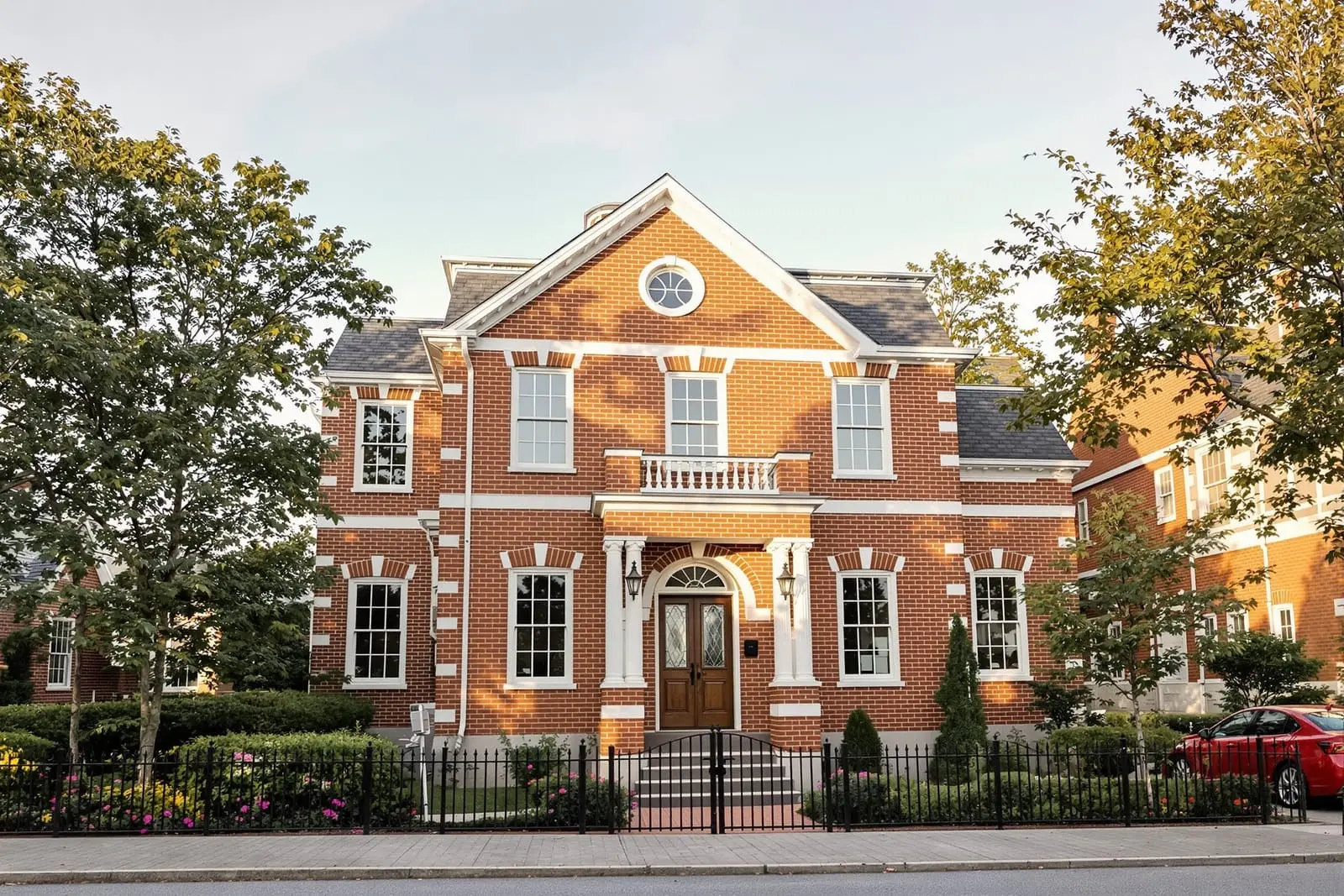
We perform masonry restoration and historic preservation in Savannah, GA for commercial and institutional properties. Our team carefully documents existing conditions, then repairs or replaces brick and stone to match original materials and profiles. Maintain the historic character of your building while improving performance and safety.
Vanguard Masonry Savannah provides professional masonry restoration throughout Savannah, GA and the surrounding area. Our licensed, insured crew delivers safe, clean, on-time work with a free estimate before anything begins. Call (912) 461-6709 or request your free quote.
Masonry restoration for Savannah’s historic homes and buildings
Savannah’s masonry looks charming on the surface, but our wet climate, salt air, and shifting soils are hard on brick, block, and stone. Vanguard Masonry Savannah focuses on masonry restoration and historic preservation that respects original materials and construction methods while solving real structural problems. We work on historic homes, carriage houses, churches, commercial storefronts, and garden walls throughout Savannah, from downtown and Ardsley Park to Isle of Hope and Thunderbolt.
Our first step is a detailed site assessment. We look for stair‑step cracking, bulging walls, loose or flaking brick faces, failing mortar joints, moisture staining, salt deposits (efflorescence), and previous patch jobs that do not match. We photograph and document problem areas, check grades and drainage, and, on older buildings, look for clues to original mortar mix and brick source. This up‑front work tells us whether you need cosmetic repair, structural stabilization, or both.
From there, we provide a written scope that spells out the specific masonry restoration tasks, not just a vague “tuckpoint walls.” You will see which walls or elevations are affected, how many square feet or linear feet we expect to address, and what materials we will use. For properties in a historic district, we align our plan with any applicable preservation guidelines so there are no surprises later with review boards or inspectors.
How we match historic brick, stone, and mortar
On historic preservation projects, simply buying modern brick and gray mortar will damage both the look and performance of the structure. Vanguard Masonry Savannah takes material matching seriously, because it affects both appearance and longevity.
For brick, we examine size, color range, texture, and firing characteristics. Many older Savannah bricks are softer and slightly irregular compared to modern stock. When replacements are needed for spalled or missing units, we source from regional yards that carry reclaimed or compatible brick. If a perfect match is not possible, we choose a brick that blends in from normal viewing distance rather than calling visual attention to the repair.
Mortar choice is even more critical. Older masonry in Savannah often used lime‑rich, softer mortars that allow the wall to move slightly and to “breathe.” Replacing those joints with a hard Portland cement mortar can trap moisture and force the softer brick to crack or flake. We perform basic field tests on sample mortar (scratch hardness, color, and sometimes mild acid reaction) to approximate the original mix. Then we design a compatible mortar that is equal to or slightly weaker than the brick, which is the correct relationship.
We also do custom color matching. That includes adjusting sand color and gradation, cement or lime content, and sometimes adding small amounts of mineral pigment. The goal is not to make new joints disappear completely on day one, but to ensure that as they weather, they blend with the original work instead of creating bright or dark bands across your facade.
Our masonry restoration process, step by step
Real masonry restoration is careful and methodical, not just scraping and re‑grouting. Vanguard Masonry Savannah follows a sequence that protects the existing structure and finishes while delivering a durable repair.
Site preparation comes first. We set up access where needed, protect windows, trim, roofs, and nearby landscaping, and identify any sensitive areas like historic woodwork or ironwork that should not be splashed or abraded. Where moisture is an issue, we address temporary drainage or contain wash water to keep it out of adjacent materials.
For mortar joint restoration, also called repointing, we cut out deteriorated joints by hand or with small tools set to controlled depths. We avoid grinding full depth through the wall, which can weaken it, and we never smear fresh mortar over failing joints just to improve appearance. After removal, we brush or rinse dust from the joints, allow them to surface dry, then pack in new, compatible mortar in layers. Tooling (the final shaping of the joint surface) is matched to the original profile, such as concave, flush, or slightly raked.
For cracked or displaced masonry, we assess whether the issue is settlement, corrosion of embedded metal, or impact damage. Hairline cracks that are stable may be stitched with helical ties or pins concealed in the joints. Wider cracks or bulging walls might require partial dismantling and rebuilding with the original brick, supplemented as needed with matched units. In all cases, we tie repairs back to sound backing so they are not merely surface patches.
Cleaning is done conservatively. We start with the least aggressive method, usually low‑pressure water and soft brushes. If biological growth or heavy staining is present, we may use masonry‑safe cleaners in controlled applications, followed by thorough rinsing. Abrasive blasting is avoided on historic surfaces because it can permanently damage the brick face and open pores to more moisture. The final step is a quality inspection with you present, so you understand what was done, what was uncovered, and any future maintenance we recommend.
Dealing with Savannah’s moisture, salt, and foundation movement
Savannah’s climate presents specific problems that a local masonry restoration contractor must understand. High humidity, coastal salt exposure, and clay soils under many neighborhoods combine to stress masonry in predictable ways.
Moisture intrusion is the first issue. We frequently see rising damp at the base of walls, peeling interior plaster near chimneys, and efflorescence on shaded sides of buildings. Before and during restoration, Vanguard Masonry Savannah looks at grading, gutter and downspout function, and splashback from hard surfaces. In some cases, we add or recommend small details such as drip edges or proper water table courses to reduce water contact with the wall.
Salt and marine influence matter near the river and on islands. Salt‑laden air accelerates metal corrosion inside masonry, such as anchors and lintels, which can then expand and crack the surrounding brick. When we open up a wall and find rusted steel, we clean, treat, or replace those elements before closing up, which helps prevent cracks from reopening a few years later.
Foundation movement is a reality in parts of Savannah with expansive clays or fill soils. We read crack patterns to differentiate cosmetic shrinkage from structural settlement: stepped cracks at corners, widening gaps, or doors and windows that stick can indicate movement. In those cases, we may coordinate with a foundation specialist. Our role is to restore the masonry after stabilization and to use flexible, compatible repair methods that can tolerate minor seasonal shifts rather than rigid patches that fail quickly.
By taking these local conditions into account, we avoid common mistakes like trapping moisture in old brick with sealers, relying on very hard mortars, or making purely cosmetic fixes that ignore the root cause of deterioration.
Costs, timelines, and what affects your masonry restoration budget
Every masonry restoration and historic preservation job is unique, but there are clear factors that drive cost in Savannah. Vanguard Masonry Savannah explains these up front so you understand where your budget is going and where you have real choices.
Access is one of the biggest variables. Work on a one‑story garden wall in Ardsley Park is simpler than repointing a tall brick facade on a downtown townhouse with tight lanes and limited staging space. The need for scaffolding, lifts, or special protection measures for adjacent properties can significantly affect labor and time.
Extent and depth of deterioration also matter. Spot repointing a few eroded joints is straightforward. Removing deeply cracked or cement‑coated mortar across entire elevations, then restoring with a softer mix, requires far more time and care. Similarly, replacing a handful of damaged bricks costs less than dismantling and rebuilding a displaced corner that involves ties, lintels, or interior finishes.
Material matching has a cost, but it is usually worth it on historic buildings. Custom mortar matching, reclaimed brick, and specialty stone take more effort to source and test. However, these choices preserve the building’s value and reduce the likelihood of premature failure that would force another repair cycle.
Timeline depends on scope, weather, and any required approvals from local preservation bodies. Small projects might take a few days. Larger facades or chimneys, especially in historic districts, can run several weeks or be phased over seasons. We schedule noisy or more disruptive work thoughtfully, particularly in busy commercial or tourist areas, to reduce impact on neighbors and businesses.
During your estimate, we walk you through options, including what must be done now for structural reasons versus what can be staged over time for aesthetic improvement. That way, you can prioritize within a realistic budget instead of being surprised by change orders later.
What to look for when hiring a masonry restoration contractor in Savannah
For masonry restoration and historic preservation, the lowest bid is often not the best value. The wrong techniques can permanently damage old brick or stone. Vanguard Masonry Savannah encourages you to ask any contractor, including us, very specific questions before you sign.
Ask how they determine mortar composition and strength. If they only offer “standard mortar” and cannot explain why it is appropriate for your building’s age and brick type, that is a red flag. Request examples of past projects on buildings of a similar era and style, not just new construction or generic repairs.
Confirm that they plan to remove failing mortar to a proper depth, typically at least twice the joint width or to sound material, rather than skimming over old joints. Have them describe their approach to cleaning and whether they use high‑pressure washing or abrasive blasting on older brick. If so, ask how they prevent surface damage.
For properties downtown or in local historic districts, verify that the contractor understands local guidelines and is willing to coordinate with your architect or review board if needed. A contractor unfamiliar with these processes can cause delays or require you to redo work.
Finally, insist on a written scope of work that references materials, methods, and specific areas to be addressed, along with how unforeseen conditions will be handled. A thorough, transparent plan up front is often the best indicator that your masonry restoration will respect both the structural needs of your building and its historic character.
“
Professional masonry restoration and historic preservation, done right the first time, quality materials, honest pricing, and results that last.
Vanguard Masonry Savannah
Masonry Restoration and Historic Preservation Across Our Service Area